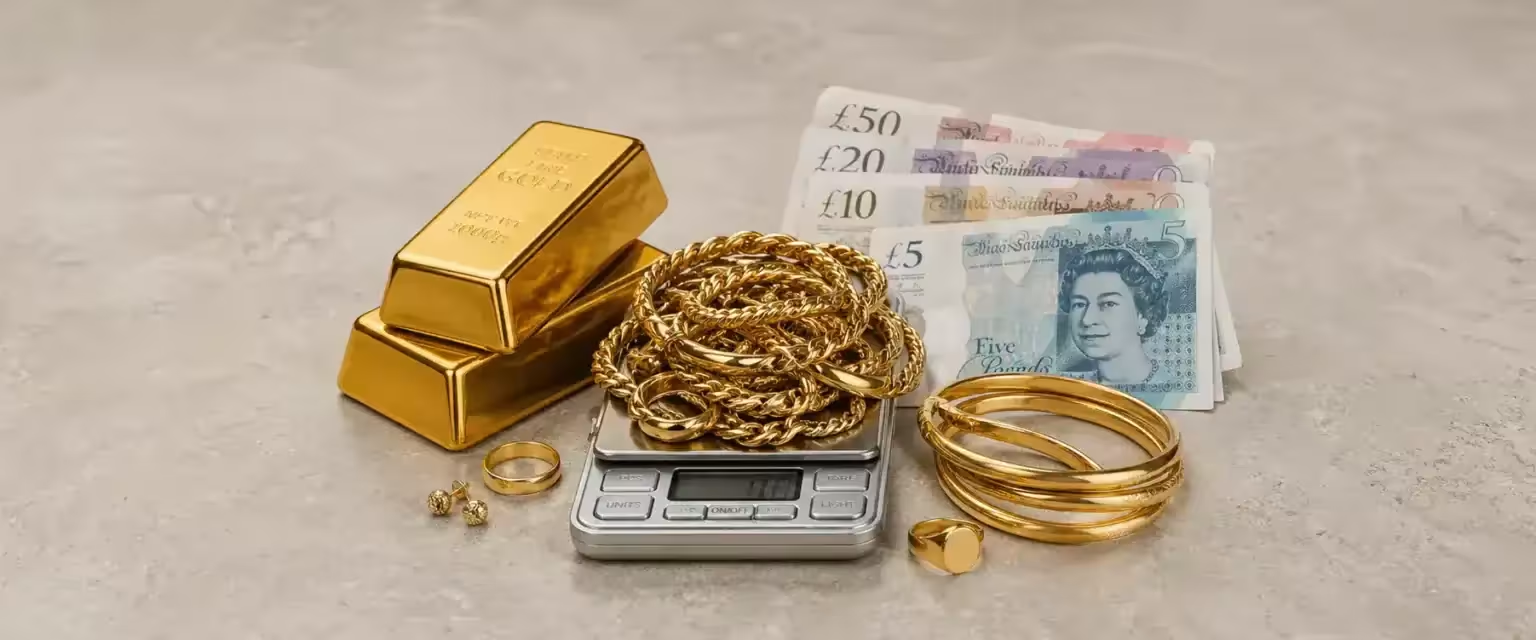


Live 24ct Gold Price per Gram
The highlighted figure below shows an indicative 24ct gold price per gram. Also, check the displayed update time: the live-price tool caches its data for ten minutes. Its market benchmark can differ from the calculator because the tools use different pricing sources and purity adjustments.
| Carat | Purity | Price per gram |
|---|---|---|
| 9ct | 37.5% | £37.88 |
| 14ct | 58.3% | £58.92 |
| 18ct | 75.0% | £75.75 |
| 22ct | 91.7% | £92.58 |
| 24ct | 100.0% | £101.00 |
24ct Gold Price Estimate Calculator
Check the indicative 24ct gold price in pounds sterling and use the calculator to estimate value by weight. Enter grams and select 24ct only when it matches your item’s specification or assessment.
The result is a market-based estimate, not a guaranteed payout. Your final offer depends on the assessed weight, purity and buying terms. For a wider comparison, see our UK gold market price table.
Estimate your gold value
Enter the weight and carat to see an indicative value in pounds sterling.
Use these values as guidance before assessment. Neither tool reserves a sale price or confirms the amount a buyer will pay.
Sell your gold online quickly or check the latest gold prices with ease—download the Sell My Gold app on Apple or Sell My Gold app on Android device today!
Check the 24ct gold price before selling
The current 24ct gold price helps you estimate the value of fine gold before you decide to sell. Whether you have a gold bar, a bullion coin or jewellery, start by checking the item’s weight and purity. Then, use our Gold Price Calculator to explore an indicative value.
An online estimate gives you a useful starting point for comparing offers. However, the buyer still needs to assess your items before confirming a payment. Understanding this distinction helps you compare a market-based estimate with an actual purchase offer.
What does 24ct gold mean?
The term 24ct describes fine gold at the highest end of the carat scale. For example, The Royal Mint identifies 999.9 fine gold as 24 carat. This fineness represents 999.9 parts gold per thousand, or 99.99% gold. You can find this explanation in The Royal Mint’s guidance on bullion and fineness.
First, check any purity markings and supporting documents that came with your item. Keep receipts, certificates and packaging together where possible. These details can help identify the product, although a buyer may still need to verify its authenticity and composition.
Also, avoid assuming that every gold coin or bar has the same purity. Check the specification for the particular item rather than relying on its colour or general appearance. If you are unsure, ask for an assessment before selecting a purity in the calculator.
Using our 24ct gold price calculator
To begin, enter the weight of your gold in grams and choose the appropriate purity. Our calculator uses these details and market pricing to produce an estimate. Next, check the figures carefully before using the result to compare your options.
- Identify your gold: note the type of item and any visible purity markings.
- Check the weight: use grams and exclude packaging from the measurement.
- Select the purity: choose 24ct only when that matches the item’s specification or assessment.
- Review the result: record the estimate and the date you checked it.
If you have several items with different purities, calculate each group separately. For example, do not combine an 18ct ring with fine gold bullion and apply one rate to the total weight. Separate calculations give you a clearer picture of the collection.
Calculate the value using a price per gram
A simple estimate starts with the eligible weight and a suitable 24ct gold price per gram. Multiply those figures together, while checking whether the quoted rate represents a market benchmark or a buyer’s purchase rate.
Estimated value = eligible weight in grams × applicable rate per gram
For example, suppose a buyer quotes a hypothetical rate of £80 per gram for your fine gold. If the eligible weight is 10 grams, the calculation gives £800 before any separately stated deductions. This example illustrates the calculation only; it does not represent today’s rate or a guaranteed offer.
Because the quoted rate should match the item’s purity, do not apply an additional purity adjustment without checking how the rate works. Instead, ask the buyer to explain the calculation if the quotation does not make this clear.
Understand grams and troy ounces
Before comparing a 24ct gold price, check the unit of measurement. Bullion listings often use troy ounces, while jewellery calculators commonly use grams. One troy ounce equals approximately 31.1035 grams, as explained in The Royal Mint’s guide to one-ounce gold bullion coins.
Therefore, compare rates in the same unit. If one quotation uses pounds per gram and another uses pounds per troy ounce, convert them before drawing a conclusion. Also, check the currency so you do not compare a sterling quotation directly with a dollar price.
For packaged bullion, distinguish the gold’s stated weight from the weight of its packaging. Similarly, if an item includes a mount or other components, ask the buyer which parts contribute to the valuation.
Why an estimate may differ from the final offer
A calculator result depends on the information you enter. If an assessment finds a different weight or purity, the buyer may calculate a different value. Therefore, accurate details make your initial estimate more useful.
The type of rate also matters. A market benchmark and a buyer’s purchase offer serve different purposes, so they may not match. Ask whether the offer includes processing costs, fees or other deductions, and request the final payment figure before agreeing to sell.
Also, note when you obtained each quotation. Comparing offers from different times may not provide a like-for-like comparison. Where possible, request current figures using the same item details.
Testing purity before applying the 24ct gold price
A professional assessment helps establish whether a fine-gold rate applies to your item. The assessor can examine its markings, review its construction and choose a suitable testing method. If you have supporting documents, make them available as well.
One method is X-ray fluorescence, or XRF testing. XRF equipment helps professionals identify and measure elements in precious-metal alloys. However, the instrument, calibration and sample positioning affect performance, so proper interpretation matters. Thermo Fisher Scientific explains these differences in XRF analysis.
Before testing begins, ask what the process involves and whether any procedure could leave a mark or require opening packaging. Then, request an explanation if the result differs from the purity you expected.
Compare 24ct gold price offers fairly
Start with the amount the buyer expects to pay for your specific items. Next, compare the weight, purity and rate behind that figure. A clear breakdown helps you understand differences between offers.
- What purity and weight does the buyer use?
- Does the rate apply to your particular item?
- Will any fees or deductions reduce the payment?
- How long does the offer remain available?
- When will payment follow acceptance?
- What happens if you decline the offer?
For postal sales, check the tracking, insurance and return arrangements too. In addition, keep photographs and an inventory of the items you send. These records help you review the assessment and discuss any questions with the buyer.
Consider the item as well as its gold content
The 24ct gold price provides a basis for estimating metal value, but it does not assess every feature of an item. If you believe a coin or piece of jewellery has collectable, historical or designer interest, consider a specialist valuation before choosing how to sell.
For example, a metal-value estimate alone does not evaluate rarity or collector demand. Similarly, an insurance valuation may serve a different purpose from a purchase offer. Ask what each valuation measures before comparing the figures.
You can explore our guide to jewellery, coins and other gold items you can sell when preparing your enquiry.
Review your estimate and choose your next step
Check the latest 24ct gold price, review your item details and consider the offer in full. Then, decide whether selling suits your circumstances. A calculator can support that decision, but it cannot guarantee a future price or remove the need for an assessment.
Once you accept Moonstone Gold’s confirmed offer, we make an immediate bank transfer. If you decline, we return your items free of charge through our insured delivery service.
When you are ready, complete our gold selling form to begin. Alternatively, contact us if you have questions about valuing your items or the selling process.

Frequently Asked Questions
No. The result uses market pricing and the details you enter. However, a buyer must assess the actual weight and purity before confirming the final offer.
No. Check the specification and markings for the particular bar. If you are unsure, ask for an assessment rather than choosing a carat based on its appearance.
It indicates 999.9 parts gold per thousand, or 99.99% gold. This is a fine-gold standard used for 24ct bullion. However, markings alone do not authenticate an item.
The tools use different pricing sources and purity adjustments, so their estimates can differ. Also, check the update time and use the same weight and units when comparing figures.
No. Packaging contributes weight without adding gold. However, leave sealed packaging intact and ask how the buyer will assess the item rather than opening it just to weigh it.
No. It estimates metal value from weight and purity. Therefore, consider specialist advice for coins or jewellery that may have rare, antique or designer appeal.
We make an immediate bank transfer after you accept our confirmed offer. Your items must first arrive and undergo assessment before we can confirm their valuation.