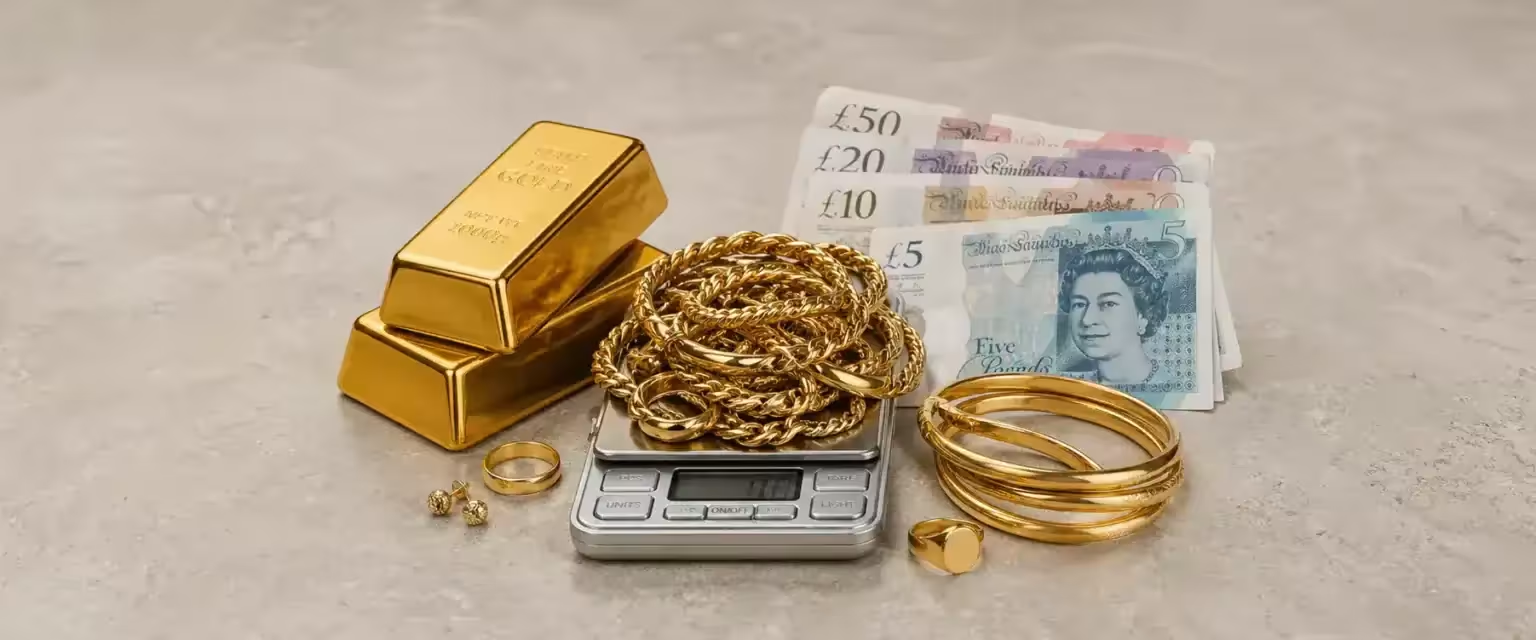


How to Sell Gold in the UK - A Practical Guide
Learning how to sell gold in the UK starts with understanding your items and comparing complete offers. This guide explains how weight, purity and market rates affect a valuation, what to ask buyers, and how to prepare for a postal sale.
Whether you have unwanted jewellery, broken chains, coins or bullion, take time to identify what you own before deciding. Also, separate sentimental pieces you would prefer to keep. An estimate can help you compare options, but it does not commit you to selling.

How to Sell Gold: Start with Your Items
First, list the pieces you want to value. Record any readable marks, known weights and information from receipts or previous valuations. Then, group similar items together so a buyer can explain the assessment clearly.
- Jewellery, including rings, necklaces, bracelets and earrings
- Broken and scrap gold, including incomplete pieces
- Gold coins and bullion bars
- Dental gold, such as old crowns and bridges
However, not every gold-coloured item contains a gold alloy. Plated jewellery has a surface layer over another material. Therefore, describe uncertain pieces accurately and ask whether the buyer can assess them.
Understand Purity and Payable Weight
Gold purity describes the proportion of gold in an alloy. For example, 9ct gold contains 37.5% gold, while 18ct contains 75%. Common fineness marks include 375 and 750 respectively.
For help recognising marks, read the British Hallmarking Council’s consumer guide. However, do not guess purity from colour alone. If a mark is unclear, leave it for professional assessment.
When learning how to sell gold, distinguish total item weight from payable gold weight. Stones, watch movements and other non-gold parts can affect the difference. Ask which components the buyer includes, and avoid dismantling jewellery simply to weigh its metal.
How to Sell Gold with a Realistic Estimate
Use our gold price calculator to obtain an initial estimate from weight and purity. First, check that you use grams and select the correct carat. Then, calculate different purities separately.
If a quoted rate already applies to 18ct gold, multiply that rate by the eligible 18ct alloy weight. Do not apply the purity percentage again, because the rate already accounts for it. Also, distinguish a buyer’s payment rate from a pure-gold market benchmark.
For example, a hypothetical rate of £40 per gram would give £200 for five eligible grams. This example explains the arithmetic only; it is not a current rate or guaranteed offer. The buyer must still assess the actual item.
Choose Between Local and Postal Buyers
Options include jewellers, specialist precious-metal buyers, coin dealers and postal services. A local appointment lets you discuss the item in person. Alternatively, a postal assessment can suit you when visiting a buyer is inconvenient.
Before deciding how to sell gold in the UK, check which types of items each business accepts. For instance, a rare coin may need specialist collector knowledge. An antique or designer piece may also have value beyond its metal content.
Neither a local shop nor an online service guarantees the highest payment. Therefore, compare the actual offer and terms. Keep certificates, receipts and original packaging where available, especially when investigating collector value.
How to Sell Gold: Questions to Ask Buyers
Give each buyer the same item information so you can compare offers fairly. Then, ask for a clear explanation of the calculation. A headline rate alone does not establish the amount you will receive.
- What weight and purity does the offer use?
- Which rate applies, and how long does the quote remain available?
- Will fees or deductions reduce the final payment?
- How does the buyer handle stones or non-gold parts?
- When does payment follow acceptance?
- What happens if you decline the offer?
Also, look for clear contact details and read independent reviews alongside the service terms. Reviews can provide context, but they do not replace your own comparison of the proposed valuation and process.
Prepare for Testing and Assessment
A buyer may inspect marks, weigh the items and use suitable testing methods to assess composition. Our gold testing information explains assessment methods. However, the appropriate checks depend on the item’s construction.
Ask about the process before sending jewellery with valuable stones, a delicate finish or sealed packaging. Also, ask whether any proposed test could leave a mark. This helps you make a decision before the assessment begins.
Understanding how to sell gold includes knowing when to request clarification. If a result differs from your expectations, ask the buyer to explain the purity, weight and excluded components before accepting the offer.
How to Sell Gold Safely by Post
First, photograph the items and keep a list for your records. Next, follow the buyer’s packing instructions and protect individual pieces from rubbing or moving against one another. Include the requested identification and contact details.
Check the insurance limit against the full value of the parcel. Insurance has conditions, so confirm the correct service before dispatch. If the collection exceeds the available cover, contact the buyer to discuss suitable arrangements.
Finally, obtain proof of posting and keep the tracking details. Do not assume that ordinary postage provides suitable cover for precious metals. Also, check the return arrangements before sending anything for valuation.
Review the Offer and Payment Terms
Once the assessment is complete, compare the confirmed offer with your notes. Ask about any difference from the estimate. Market movements, a different purity or excluded components may explain a change, but the buyer should clarify the calculation.
When deciding how to sell gold in the UK, consider the full payment and return terms. At Moonstone Gold, we make an immediate bank transfer after you accept our offer. If you decline, we return your items free of charge through our insured delivery service.
Before accepting, confirm the bank details needed for payment and ask any remaining questions. Requesting a pack or receiving a valuation does not oblige you to sell through our service.
Keep the Checklist and Take Your Next Step
You can open the existing printable PDF guide for reference. Always check current service terms and your confirmed offer before proceeding.
Ready to put this guide on how to sell gold in the UK into practice? Visit our gold selling service page to request a free insured pack. Alternatively, contact our team if you need help with an item or the next steps.